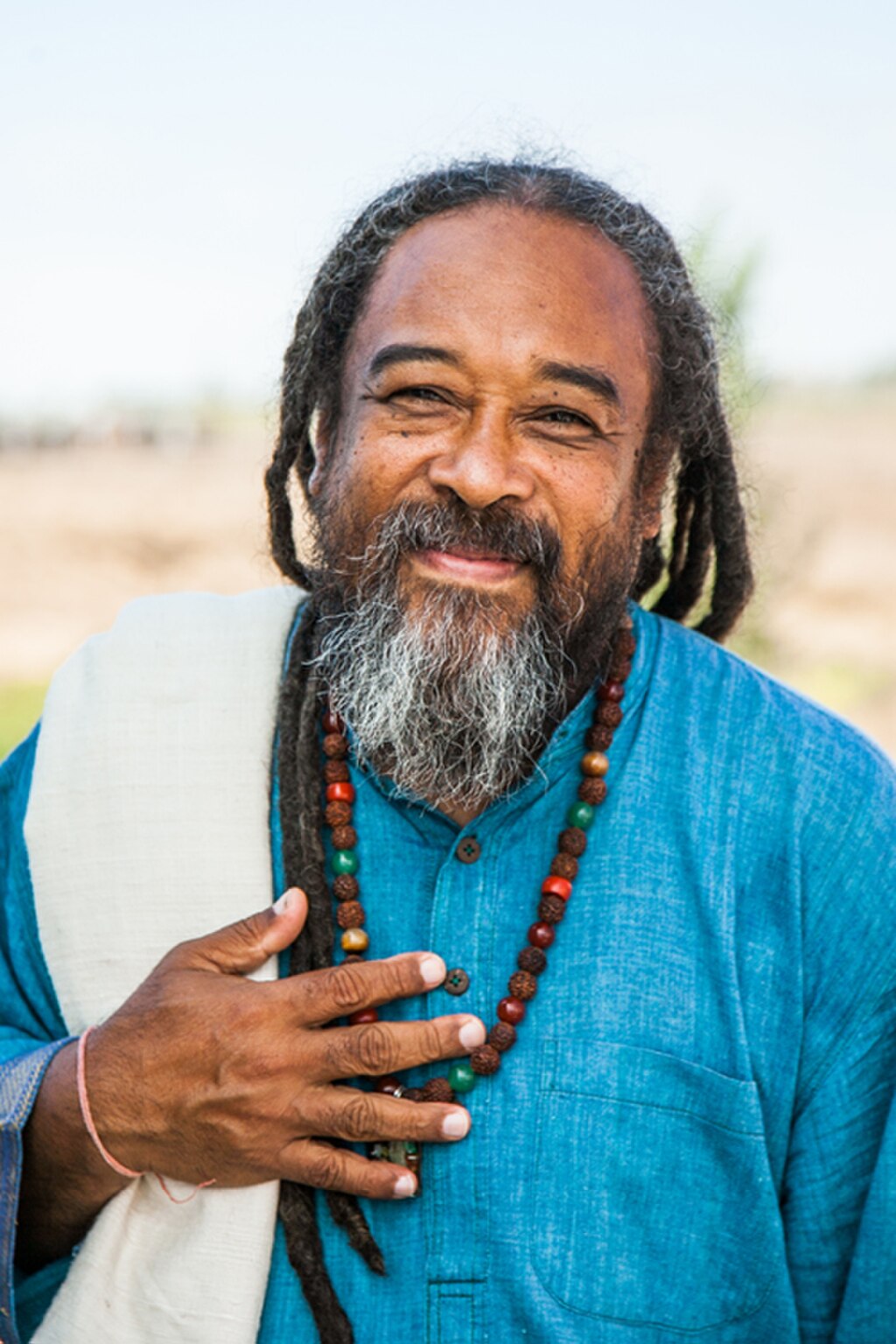
Beyond Identity: Embracing the Essence of Presence
Mooji's profound invitation to "Don't be a person. Be the presence behind the person" beckons us to transcend the limitations of our individual identities. In a world that often emphasizes roles, labels, and societal expectations, this quote serves as a reminder of the deeper essence that resides within each of us. It challenges us to explore the nature of our being, urging us to connect with the universal presence that underlies our personal experiences. This exploration is not merely philosophical; it holds the potential to transform our understanding of self and our interactions with others.
As we delve into this teaching, we encounter a pivotal distinction between the transient nature of the persona and the enduring quality of presence. The persona, shaped by external influences and internal narratives, can often lead us into a maze of confusion and discontent. In contrast, the presence Mooji speaks of is a state of being that transcends the ego, inviting us to experience life from a place of authenticity and wholeness. This distinction is crucial, as it invites us to question who we truly are beyond the roles we play and the stories we tell ourselves.
The image / the metaphor
The imagery in Mooji's quote evokes a sense of duality between the person and the presence. The term "person" conjures up images of individuality, with all its complexities and contradictions, while "presence" suggests a vast, unbounded quality that is both intimate and universal. The verbs chosen—"be" and "don't be"—imply a choice, a conscious decision to shift our focus from the fragmented self to the unified essence that connects us all. This felt sense of presence is not just an abstract concept; it is a lived experience that can be accessed through awareness and mindfulness.
Diving deeper into this metaphor, we can see that the "presence" Mooji refers to is akin to the stillness behind the waves of thought and emotion. Just as the ocean remains unchanged beneath the surface turbulence, our true essence remains constant despite the fluctuations of our personal narratives. This understanding invites us to cultivate a sense of inner peace, recognizing that our true nature is not defined by our circumstances but by the awareness that observes them. In this light, the quote becomes a call to awaken to the deeper reality of our existence.
In the speaker's tradition
Mooji's teaching is deeply rooted in the non-dual tradition, which emphasizes the interconnectedness of all beings and the illusion of separation. Concepts such as "sunyata" (emptiness) and "fana" (annihilation of the self) resonate with the essence of Mooji's message, as they invite us to dissolve the boundaries of the ego and recognize our inherent unity with the cosmos. This perspective aligns with the teachings of Advaita Vedanta, where the realization of the self as non-separate from the Absolute is the ultimate goal of spiritual practice.
A relevant text that echoes this sentiment is the "Ashtavakra Gita," which speaks to the nature of the self as beyond form and identity. In this ancient scripture, the sage Ashtavakra articulates the idea that true liberation comes from recognizing our essence as pure consciousness, free from the constraints of the physical body and the mind. This alignment with Mooji's teaching underscores the timeless wisdom that invites seekers to look beyond the surface and embrace the profound presence that lies within.
Living the teaching
Consider a modern scenario where this teaching can be applied: a workplace filled with competition and stress. In such an environment, individuals often find themselves caught in the web of their roles—striving for recognition, battling for status, and grappling with the weight of expectations. By embodying Mooji's teaching, one can shift from being merely a "person" defined by job titles and achievements to becoming a "presence" that fosters collaboration and compassion. This shift not only alleviates personal stress but also creates a more harmonious atmosphere, where individuals connect on a deeper level beyond their professional identities.
In the realm of relationships, this teaching can manifest in moments of conflict or misunderstanding. When faced with a disagreement, one might instinctively cling to their identity as "right" or "wrong," allowing the ego to dictate the interaction. However, by embracing the presence behind the person, one can approach the situation with openness and empathy, recognizing that the essence of both parties is rooted in a shared humanity. This practice of presence can transform relationships, fostering deeper connections and a greater understanding of one another's experiences.
A reflection
As we contemplate Mooji's invitation to "be the presence behind the person," we are called to reflect on our own lives and the identities we cling to. What aspects of your persona are you willing to let go of in order to connect more deeply with your essence? This question invites us to explore the layers of our identity and consider how we might embody a more authentic presence in our daily lives. In this exploration, we may discover that our true nature is not confined to the roles we play but is instead a vast, interconnected presence that enriches our experience of being.



Join the BrightStar Community
Stay connected with daily inspiration, event announcements, and community wisdom