Illuminating the Veil: The Barrier of the Mind
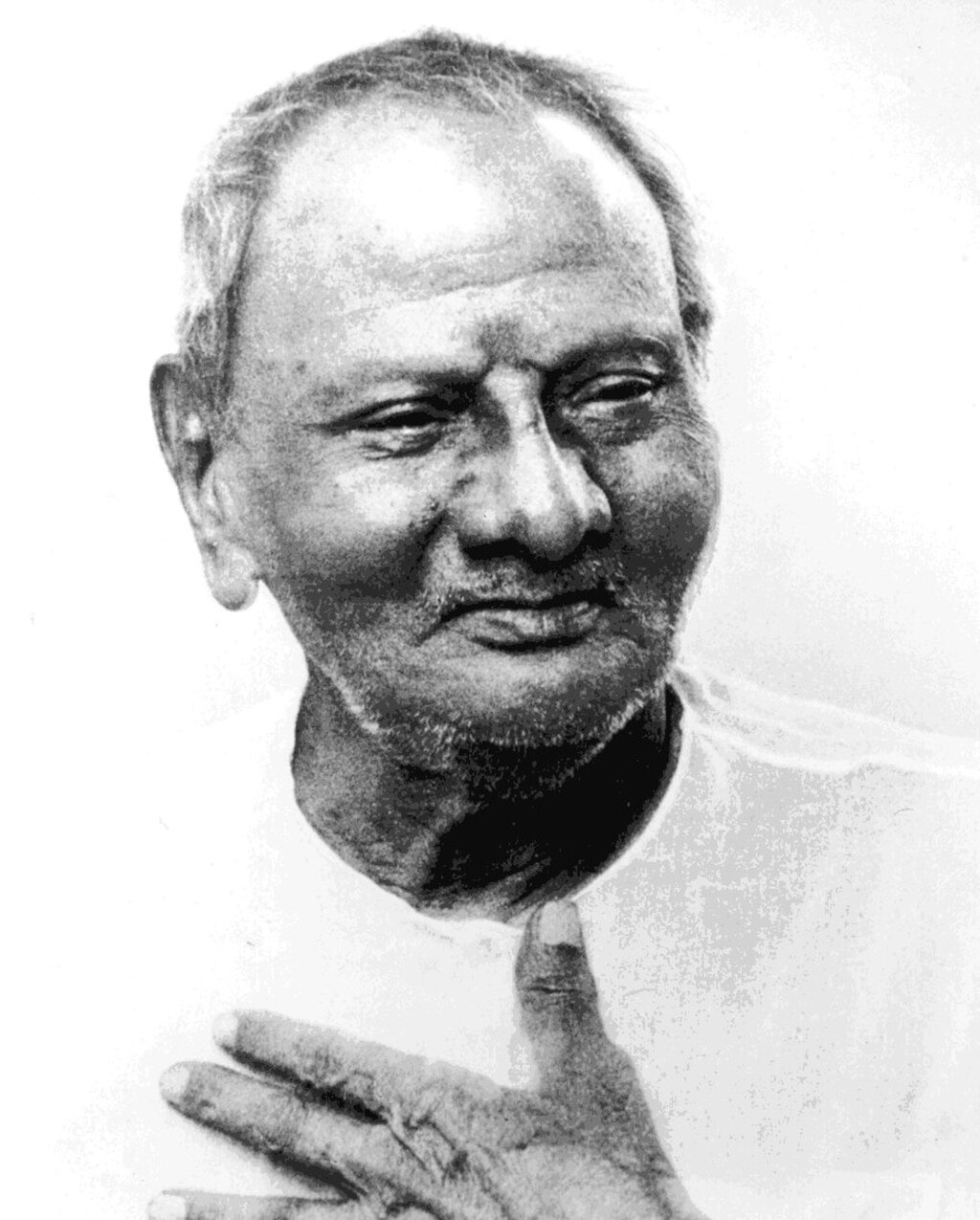
Nisargadatta Maharaj's assertion that "the mind creates a barrier between the inner light and the outer world" invites us to reflect on the profound disconnect often felt between our true essence and the reality we perceive. This statement underscores the pivotal role of the mind in shaping our experience, suggesting that our thoughts and beliefs can obscure the innate clarity and brilliance of our consciousness. Understanding this dynamic is crucial, as it reveals how our mental constructs can hinder our ability to experience life fully and authentically.
Delving deeper, we recognize that this barrier is not merely a cognitive phenomenon but a spiritual one, rooted in the very nature of our existence. The inner light symbolizes our true self, the essence of who we are beyond the layers of identity and ego. The outer world represents the myriad distractions and illusions that can lead us away from this truth. By acknowledging the mind's role in creating this separation, we open the door to a transformative journey towards unity and liberation.
The image / the metaphor
The imagery in Maharaj's quote evokes a powerful sense of separation, where the mind acts as a veil that obscures the radiant light of our true nature. The term "barrier" suggests a solid, impenetrable force, one that can create a sense of isolation and disconnection from the world around us. This metaphor resonates deeply with the human experience, as we often find ourselves trapped in cycles of thought that prevent us from perceiving the beauty and interconnectedness of existence.
Moreover, the choice of the word "creates" implies an active role of the mind in constructing this barrier. It is not an inherent quality of our being but rather a product of our mental habits and conditioning. This realization invites us to explore the nature of our thoughts and beliefs, recognizing that they can either illuminate our path or obscure our vision. The felt sense of this metaphor encourages us to question the validity of our mental constructs and to seek the clarity that lies beyond them.
In the speaker's tradition
Nisargadatta Maharaj's teachings are deeply rooted in the non-dual tradition, which emphasizes the fundamental unity of all existence. Concepts such as dharma, or the natural order of things, and sunyata, the emptiness that underlies all phenomena, are integral to understanding the implications of his statement. In this context, the mind's barrier represents the illusion of separateness that arises from attachment to ego and identity, obscuring the realization of our true nature as interconnected beings.
In his seminal work, "I Am That," Maharaj often refers to the notion of "I am" as the essence of our being, a state of pure awareness that transcends the limitations of the mind. This aligns with the teachings found in other non-dual texts, such as the Upanishads, which explore the idea of Brahman, the ultimate reality that is both immanent and transcendent. By recognizing the mind's role in creating barriers, we can begin to dismantle the illusions that keep us from experiencing this profound unity.
Living the teaching
Consider a modern scenario where this teaching resonates: a person finds themselves overwhelmed by the demands of daily life, constantly caught in a whirlwind of thoughts about work, relationships, and future uncertainties. In this state, the inner light—their true essence—becomes obscured by the incessant chatter of the mind. By practicing mindfulness and cultivating awareness, they can begin to notice these thoughts without attachment, allowing the inner light to shine through the chaos of the outer world.
In a different context, imagine a relationship strained by misunderstandings and unspoken expectations. Here, the mind's barrier manifests as assumptions and judgments that cloud communication. By embracing vulnerability and practicing active listening, individuals can break down these mental barriers, fostering a deeper connection that allows the inner light of love and understanding to illuminate the relationship. This practice not only enhances personal connections but also serves as a reminder of the transformative power of presence and awareness.
A reflection
As we contemplate Maharaj's profound insight, we are invited to ask ourselves: What barriers have I constructed in my own mind that prevent me from experiencing the fullness of my inner light? This question encourages a deep exploration of our thoughts, beliefs, and the ways in which they shape our perception of reality. By engaging with this inquiry, we can begin to dismantle the barriers that separate us from our true selves and the world around us, paving the way for a more authentic and liberated existence.



Join the BrightStar Community
Stay connected with daily inspiration, event announcements, and community wisdom