Beyond the Veil of Illusion: Embracing the Spirit Within
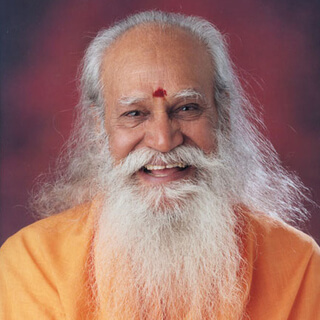
Swami Satchidananda's assertion, "You are not the body. You are not the mind. You are the Spirit," invites us to transcend the confines of our physical and mental identities. In a world that often equates self-worth with physical appearance and intellectual prowess, this statement serves as a profound reminder of our true essence. Recognizing ourselves as Spirit rather than mere body or mind can radically alter our understanding of identity, purpose, and connection to the universe.
At its core, this quote challenges the prevailing narratives that define us by our external attributes and mental constructs. It urges us to delve deeper into the nature of existence, prompting a shift from identification with transient forms to an awareness of the eternal Spirit that resides within. This exploration is not merely philosophical; it has practical implications for how we navigate our lives, relationships, and spiritual journeys.
The image / the metaphor
The imagery in Satchidananda's words is strikingly clear yet deeply layered. The phrase "You are not the body" evokes a sense of detachment from the physical form, suggesting that our true nature transcends flesh and bone. Similarly, "You are not the mind" points to the ephemeral nature of thoughts and emotions, which can often lead us astray. The use of "You are the Spirit" serves as a powerful affirmation of our inherent divinity, inviting us to embrace a more expansive understanding of self.
Diving deeper into the metaphor, we can see that Satchidananda is not merely dismissing the body and mind; rather, he is inviting us to recognize their roles as instruments through which the Spirit expresses itself. The body, with its limitations and vulnerabilities, is a temporary vessel, while the mind, with its incessant chatter, is a tool for navigating the world. By identifying as Spirit, we can cultivate a sense of inner peace and resilience that is not contingent upon the fluctuations of our physical or mental states.
In the speaker's tradition
Swami Satchidananda's teachings are rooted in the tradition of integral yoga, which emphasizes the harmonious integration of body, mind, and Spirit. This holistic approach aligns with concepts such as dharma, the moral and ethical path that guides our actions, and prajna, the wisdom that arises from deep self-awareness. In this context, recognizing oneself as Spirit is a vital step toward fulfilling one's dharma, as it allows individuals to act from a place of authenticity rather than societal conditioning.
Moreover, this teaching resonates with the Buddhist concept of sunyata, or emptiness, which suggests that our identities are not fixed but rather fluid and interconnected. Just as the realization of sunyata leads to liberation from suffering, understanding ourselves as Spirit can liberate us from the attachments and aversions that bind us to the material world. In the Bhagavad Gita, Krishna speaks of the eternal soul, reinforcing the idea that our true essence is beyond the physical and mental realms, echoing Satchidananda's profound insight.
Living the teaching
Consider a modern scenario where the pressures of daily life weigh heavily on an individual. Perhaps someone is grappling with body image issues, feeling inadequate in a society that glorifies certain physical ideals. In such moments, Satchidananda's teaching serves as a beacon of hope, reminding this person that their worth is not defined by their appearance but by the Spirit that animates them. This realization can foster self-acceptance and compassion, allowing them to navigate the world with greater ease and confidence.
In the realm of relationships, the teaching can be equally transformative. Imagine a conflict arising between partners, where misunderstandings and emotional triggers lead to hurt feelings. By remembering that they are both Spirit at their core, individuals can approach the situation with empathy and understanding, recognizing that their true essence is not the anger or frustration they may feel. This perspective encourages open communication and healing, allowing love to flourish beyond the confines of ego-driven reactions.
A reflection
As we contemplate Swami Satchidananda's profound assertion, we are invited to reflect on our own identities. What aspects of your life do you identify with most strongly — your body, your thoughts, or your Spirit? In what ways can embracing your true essence as Spirit transform your understanding of self and your interactions with the world around you? This inquiry can lead to deeper insights and a more authentic way of being.


Join the BrightStar Community
Stay connected with daily inspiration, event announcements, and community wisdom